
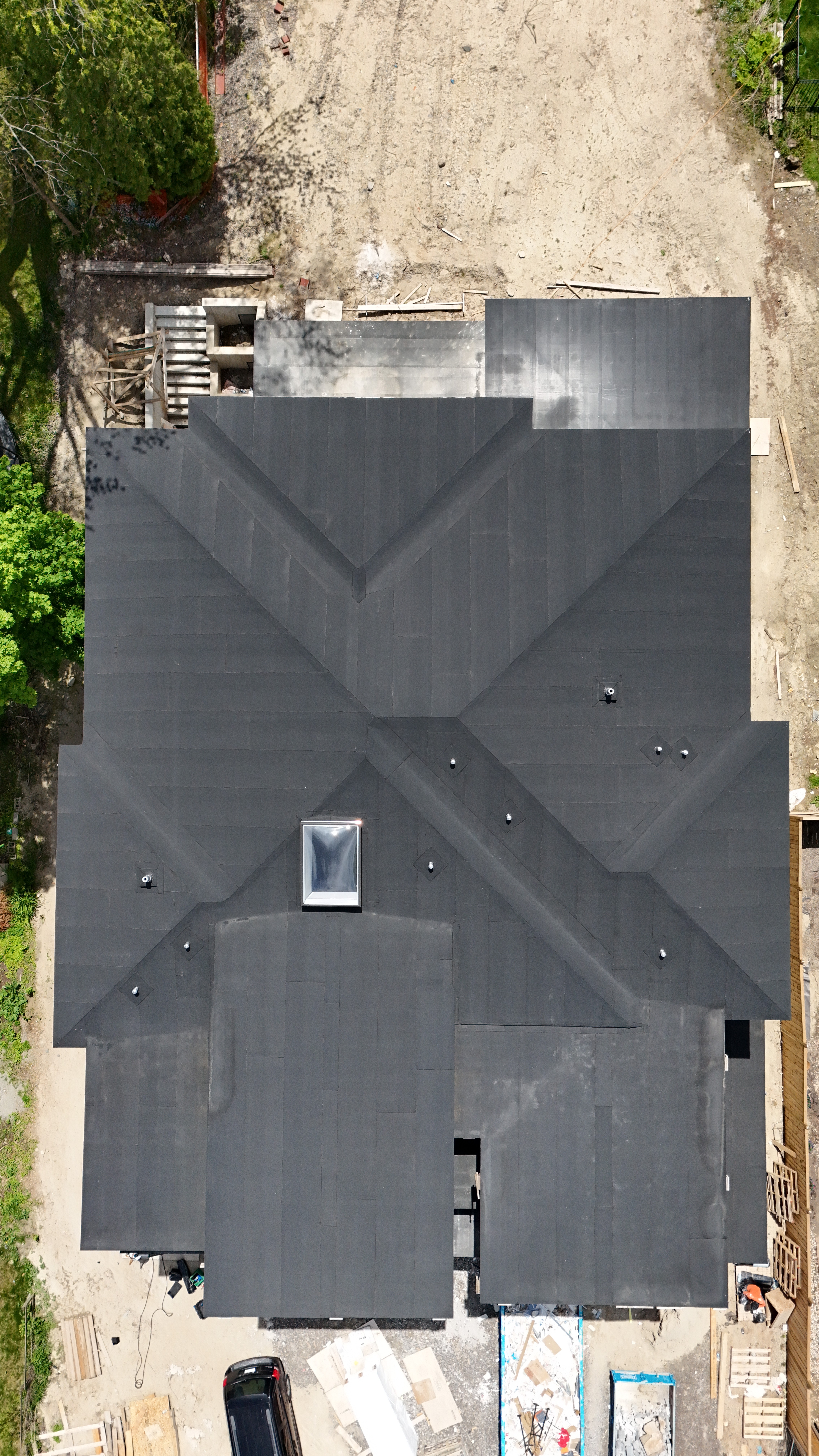
Roof Vent Installation in Toronto: Keep Your Home Dry and Energy-Efficient Year-Round
In Toronto, proper attic ventilation prevents ice dams in winter and heat buildup in summer. This page explains roof vent types, installation steps, and when to add new vents. We serve Scarborough, North York, Etobicoke, and all GTA neighborhoods. Book a free roof inspection to assess your ventilation needs today.
Poor Attic Ventilation Causes Ice Dams and Shingle Damage in Toronto Winters
When warm air from your living space leaks into the attic, it heats the roof deck. Snow melts on the warm sections and runs down toward the eaves. The water refreezes at the cold overhang, forming ice dams that block drainage.
Toronto's freeze-thaw cycles make this problem worse each winter. Daytime temperatures climb above freezing while nights drop below zero. Ice builds up along your gutters and pushes water under shingles. You may see icicles hanging from the eaves or water stains on ceilings after snowmelt.
New roof vents remove trapped heat before it melts snow on your roof. Balanced ventilation keeps attic temps closer to outdoor air. We install exhaust vents at the ridge and intake vents at the soffits. Cold attic air protects shingles and prevents ice dam formation all season.
Ridge Vents and Box Vents Work Best for Toronto's Climate and Building Codes
Ridge vents run along the peak of your roof and provide continuous exhaust. We install them during shingle replacement by cutting a slot along the ridge line. The vent cap blends with your shingles and allows hot air to escape from end to end. Ridge vents work well on homes with long, unbroken peaks.
Box vents suit older homes in Scarborough and Etobicoke with shorter ridge lines or multiple roof planes. We mount these square units near the ridge on sloped sections. Each box vent exhausts a specific attic zone. You may need four to six units depending on your attic square footage.
Ontario Building Code requires one square foot of vent area per 300 square feet of attic space. We measure your attic and calculate the right mix of intake and exhaust. Soffit vents pull fresh air in from the eaves while ridge or box vents let warm air out. Balanced airflow prevents moisture buildup and extends shingle life across all Toronto neighborhoods.
Professional Installation Prevents Roof Leaks and Ensures Proper Airflow Balance
Cutting vent holes without proper measurements creates weak spots in your roof deck. DIY mistakes in North York often leave gaps around vent edges or skip the flashing seal. Water enters through these openings during rainstorms. You may not notice the leak until insulation gets soaked or ceiling drywall stains appear.
We measure airflow requirements before cutting any openings. Our crew matches intake area to exhaust area so air moves through the attic evenly. Too much exhaust without enough intake pulls conditioned air from your living space. Too much intake without exhaust traps moisture inside.
Licensed roofers waterproof every vent opening with metal flashing and roofing cement. We seal the flashing under shingles and around the vent base. Heavy Toronto rainstorms test these seals within the first season. Poor flashing work leads to rot in the roof deck and rafters. Our installations include five-year labor warranties that cover leaks caused by installation errors.
Most Roof Vent Installations in Toronto Take 2–4 Hours and Include Flashing Seals
Adding two to four box vents or one ridge vent takes half a day for most Toronto homes. We arrive with pre-cut vent units and flashing materials. Our crew marks vent locations, cuts openings in the roof deck, and secures each unit with screws. We seal all edges with flashing and roofing cement before matching shingles around the base.
Single-vent jobs finish in under two hours when you need one exhaust vent added quickly. We offer same-day service for homeowners scheduling vent upgrades between other repairs. You can stay home during installation or leave us to work. We clean up debris and show you the completed vents before leaving.
We work year-round across Scarborough, North York, and Etobicoke. Snow cover in January and February may delay installations by a few days. We schedule around heavy snowfall and wait for safe roof conditions. Most vent projects happen in spring, summer, and fall when weather allows consistent access to your roof deck.
Adding Roof Vents During Shingle Replacement Saves Money and Extends Roof Life
When we remove old shingles, the roof deck sits exposed and ready for vent installation. We cut openings, mount vents, and install flashing before laying new shingles over the top. One crew handles both tasks in the same visit. You avoid paying for a second mobilization or scheduling another roof access later.
Asphalt shingles last 20 to 25 years in Toronto when installed correctly. Proper venting adds three to five years to that lifespan by keeping attic temps stable. Hot attic air bakes shingles from below and shortens their service life. Cool, moving air protects the underside of your roof deck and prevents premature aging.
We recommend upgrading ventilation during every shingle replacement project. The open deck makes ridge vent installation faster than retrofitting through finished shingles. You get better airflow coverage and longer shingle performance. Toronto residents replacing roofs on homes built before 2000 often need more vents than the original design included.
Annual Roof Inspections Catch Blocked Vents Before They Cause Attic Moisture Problems
Older Toronto neighborhoods like Danforth and High Park have mature trees that drop leaves each fall. Debris collects in soffit vents and blocks fresh air intake. Spring pollen clogs vent screens on tree-lined streets. When intake vents stay blocked for months, moisture builds up in your attic and creates conditions for mold growth.
We inspect roof vents during annual maintenance visits. Our crew clears leaves, twigs, and pollen from soffit screens and exhaust vent openings. We check flashing seals around each vent for cracks or separation. Older vents from the 1980s and 1990s may have rusted screens or damaged caps that need replacement.
You should schedule inspections every fall after leaves drop or every spring before summer heat arrives. Early detection prevents small blockages from turning into attic moisture damage. We recommend upgrades when original vents no longer meet current ventilation standards. Most inspection visits take 30 to 45 minutes and include a written report of vent condition.
Answering your questions
FAQs
Got more questions? Send us your enquiry below
How many roof vents does a Toronto home need?
Most homes need one square foot of vent area per 300 square feet of attic space. A typical Toronto home with 1,200 square feet of attic requires four square feet of total vent area split between intake and exhaust. That usually means four to six vents depending on the size of each unit. We measure your attic during the free inspection and calculate exact requirements.
Can I install roof vents on a flat roof in Toronto?
Yes, we install low-profile mushroom vents or powered exhaust fans on flat roofs. Mushroom vents sit just above the roof surface and allow passive airflow. Powered fans use small motors to pull hot air out when attic temps climb. Flat roof ventilation works differently than sloped roofs but still removes heat and moisture from the space below your roof deck.
Do roof vents help lower cooling costs in summer?
Proper ventilation reduces attic heat by 20 to 30 degrees during Toronto summers. When your attic stays cooler, less heat radiates down into living spaces. Your air conditioner runs fewer cycles to maintain indoor temps. Most homeowners notice lower electricity bills in July and August after we upgrade their roof vents.
Will adding roof vents void my shingle warranty?
No, most asphalt shingle manufacturers require adequate ventilation to honor warranties. Poor ventilation causes premature shingle failure from heat damage. Adding vents protects your warranty coverage and extends shingle life. We provide documentation of vent installation that you can submit with any future warranty claims.
How soon can a contractor install roof vents in Toronto?
We schedule most vent installations within one to two weeks of your call. Emergency slots open up for homeowners dealing with leak-related vent failures or ice dam problems. Single-vent jobs often qualify for same-day or next-day service. Larger projects that involve multiple vents or ridge vent installation may need a few extra days for material delivery.
Do I need a permit for roof vent installation in Toronto?
Minor vent additions rarely require permits from the building department. Adding two to four box vents or one ridge vent falls under routine maintenance. Major re-venting during a complete roof replacement may need approval if you change the roof structure. We check permit requirements during your free inspection and handle applications when needed.