
Commercial Flat Roofing in Toronto: Expert Installation & Repair for Business Properties
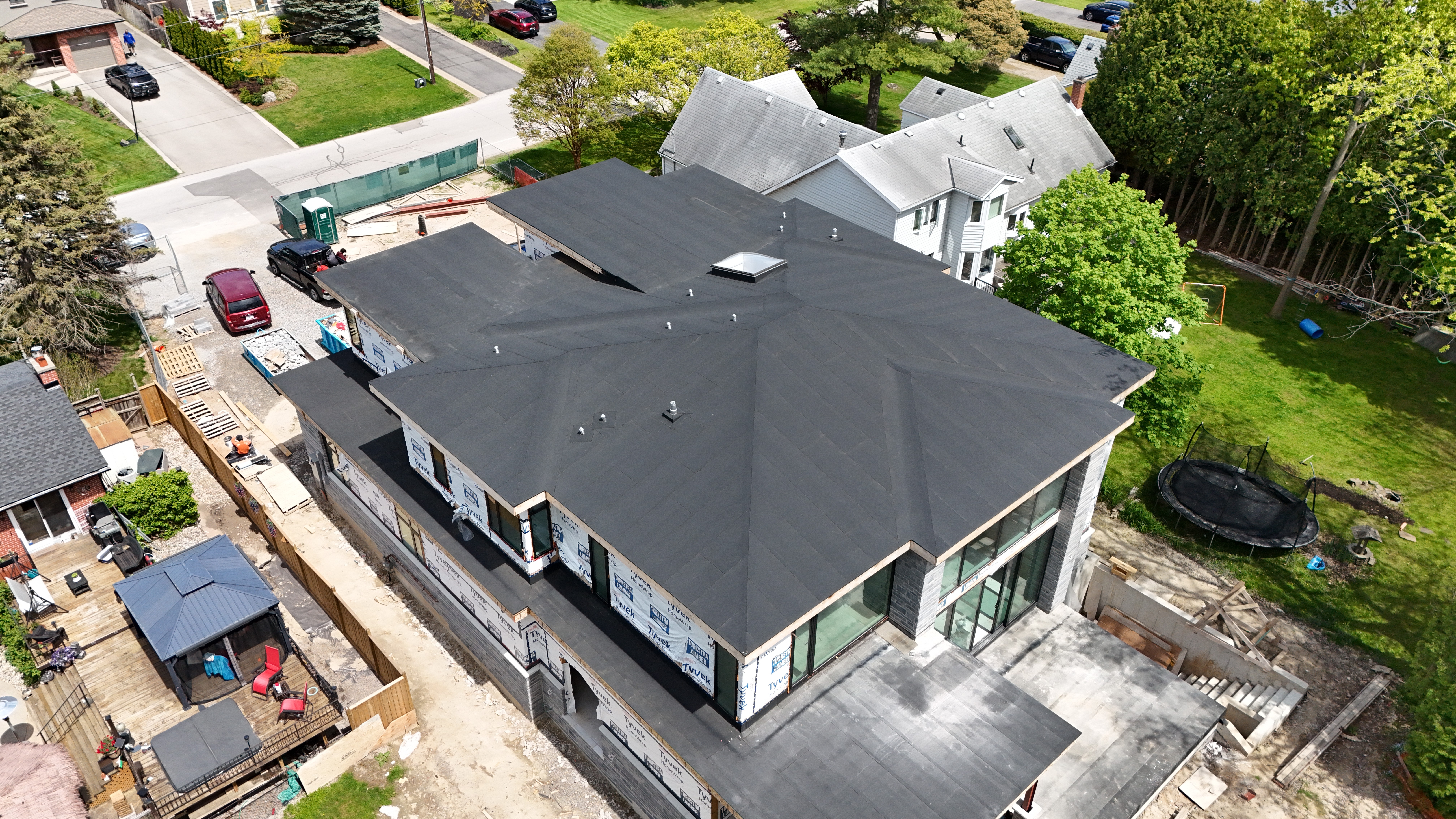
In Toronto, commercial flat roofs protect warehouses, retail plazas, and office buildings across all seasons. We provide commercial flat roofing services including installation, repair, leak fixes, and maintenance for business properties. You might need our help with new builds, aging roof replacement, ponding water issues, membrane damage, or emergency leaks. We offer year-round service availability and schedule inspections within 48 hours for most Toronto neighborhoods. Our licensed roofing contractors understand commercial building codes and Toronto climate demands.
Commercial Flat Roofs Handle Snow Load and Drainage Differently Than Sloped Systems
If you manage retail plazas or industrial warehouses across Toronto, your flat roof faces different challenges than sloped systems. Flat roofs use membranes instead of shingles and rely on a slight pitch—typically 1:12 to 3:12—to move water toward drains. Without proper slope, water sits on the surface and finds ways through seams.
Toronto winters dump more than 120 cm of snow annually. Your flat roof must support that weight without sagging or collapsing. We design drainage solutions that prevent ice dams from forming around drains and scuppers. When drains freeze or clog, meltwater backs up and seeps under the membrane.
Heavy snow also hides small problems. A crack that seems minor in summer becomes a leak path when ice expands inside it. We reinforce flat roof structures to handle winter loads and install heated drain systems where freeze risk is high. You need a roof system built for Toronto's freeze-thaw cycles, not just mild climates.
TPO, EPDM, and Modified Bitumen Are the Three Main Flat Roof Options
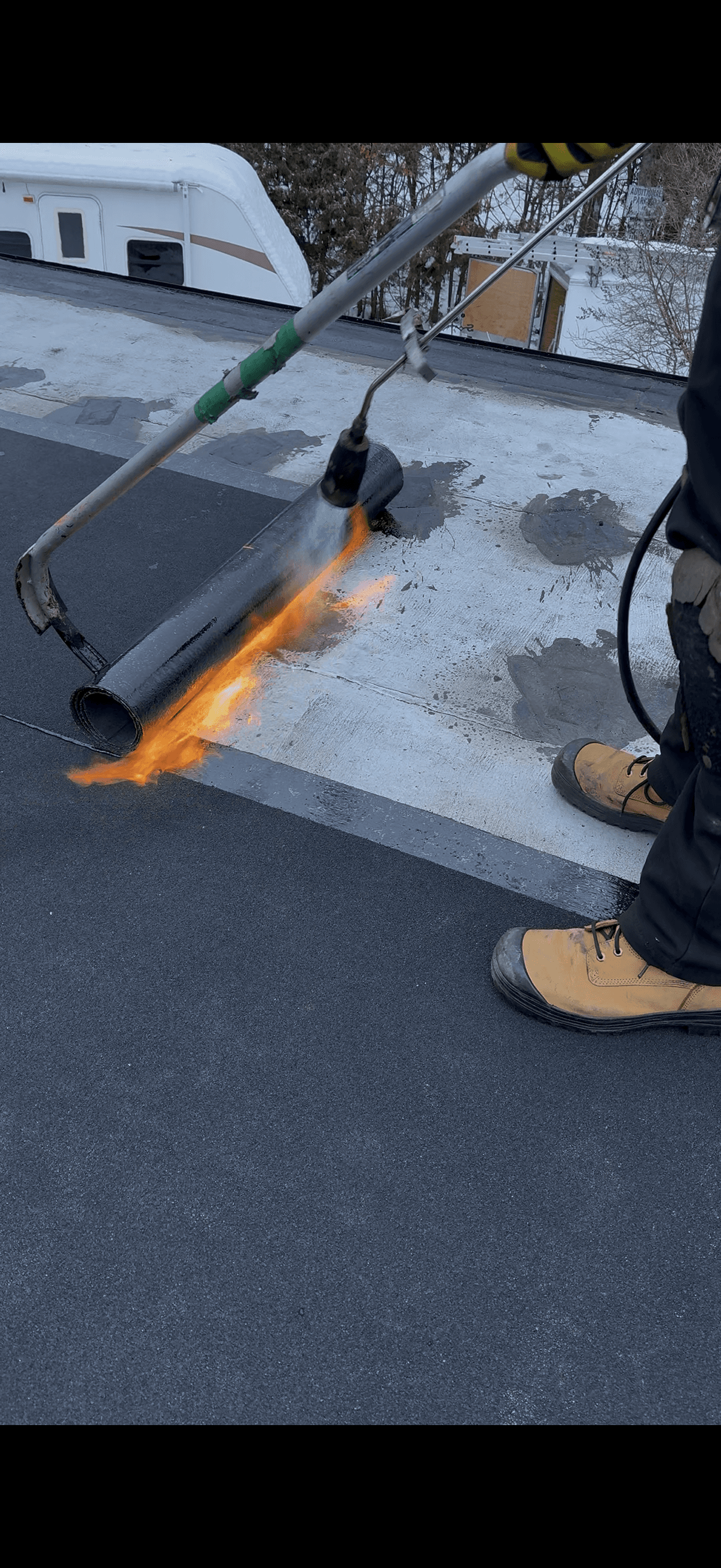
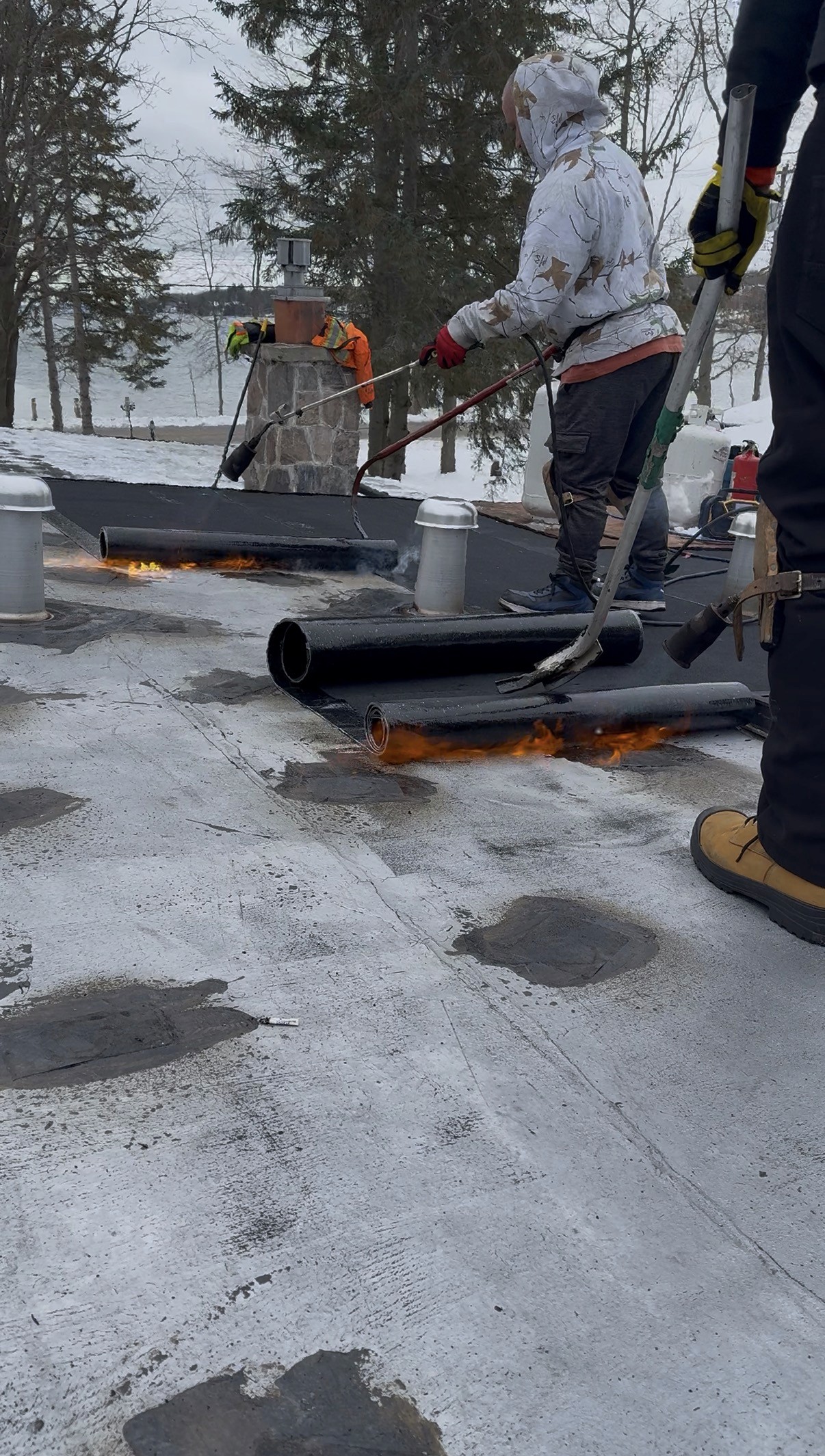
If you're planning new construction or full replacement in North York or Etobicoke, modified bitumen offers a proven multi-layer system for commercial buildings. This membrane uses asphalt-based materials reinforced with fiberglass or polyester. We install it in two or more plies to create a thick, durable surface that handles foot traffic and equipment weight.
Modified bitumen works well for roofs requiring regular access for HVAC maintenance or inspections. The torch-applied top layer creates seamless bonds between sheets. Self-adhering versions eliminate open flame for buildings where fire safety is a concern. Cap sheets come in white or reflective coatings that reduce summer cooling costs for Toronto office buildings.
We help you decide between torch-down and self-adhering installation based on your building codes and roof access needs. A warehouse with minimal maintenance requires different applications than a multi-tenant plaza with rooftop units needing monthly service. Modified bitumen typically lasts 15–20 years and tolerates Toronto's freeze-thaw cycles better than single-ply systems.
Ponding Water Signals Drainage Problems That Need Immediate Attention
If you notice standing water 48 hours after rain or snowmelt, your flat roof has a drainage problem. Ponding accelerates membrane aging because water sits on the surface and works into seams. UV rays break down the membrane faster when water magnifies sunlight. You risk interior ceiling damage once water finds a way through.
Spring thaw in Toronto brings rapid snowmelt. Poor drainage causes water pooling on flat commercial roofs citywide. We check for low spots where water collects and measure how quickly drains clear after storms. Ponding may require slope correction using tapered insulation or installing additional drains.
Catch drainage failure before water seeps through membrane seams and damages your inventory or equipment. Small repairs cost a fraction of interior water damage cleanup. We identify the root cause—whether it's inadequate slope, clogged drains, or sagging deck—and fix it permanently. Waiting turns a drainage issue into a full membrane replacement.
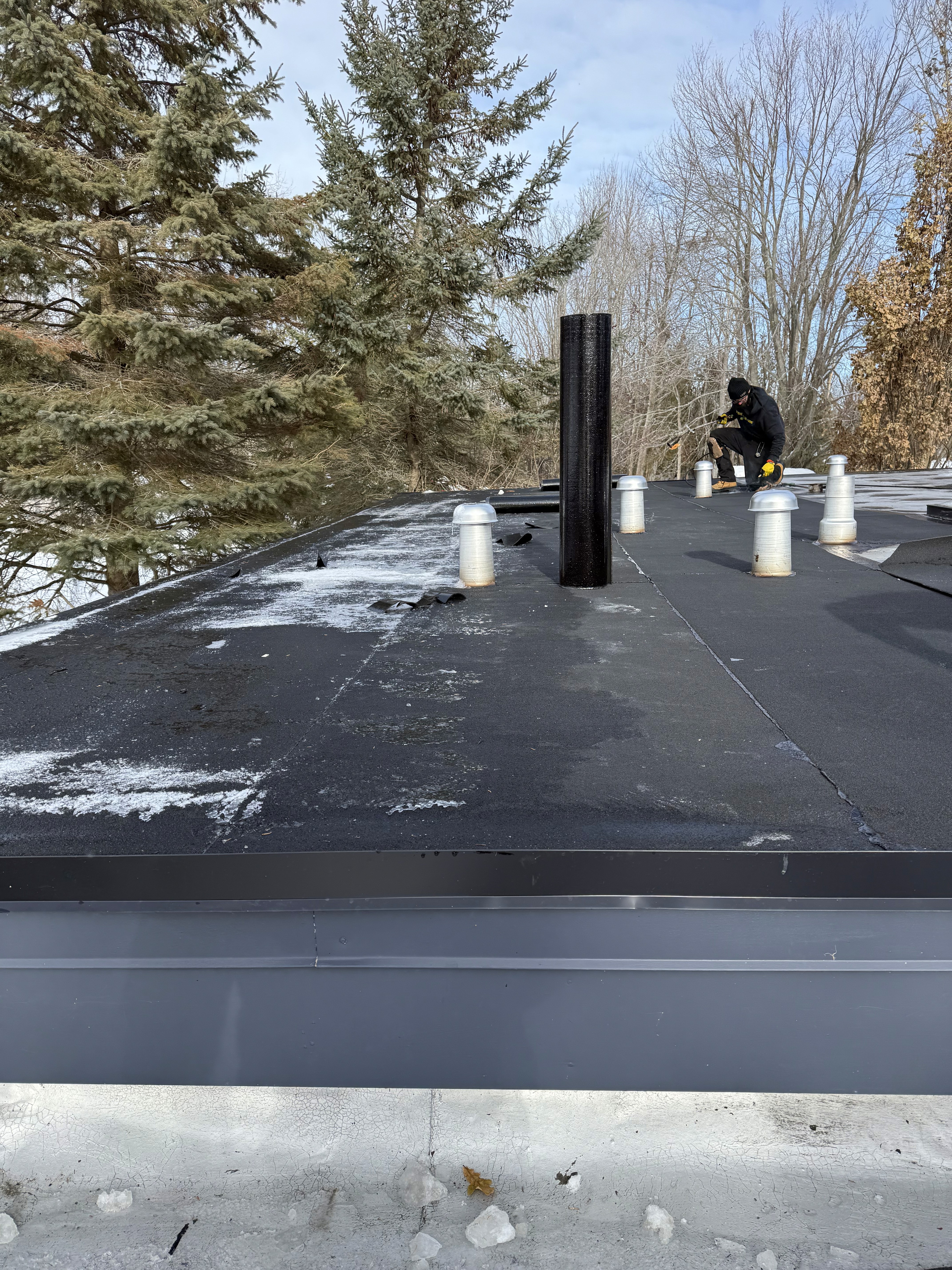
Flat Roof Installation Takes 3–7 Days Depending on Building Size and Weather
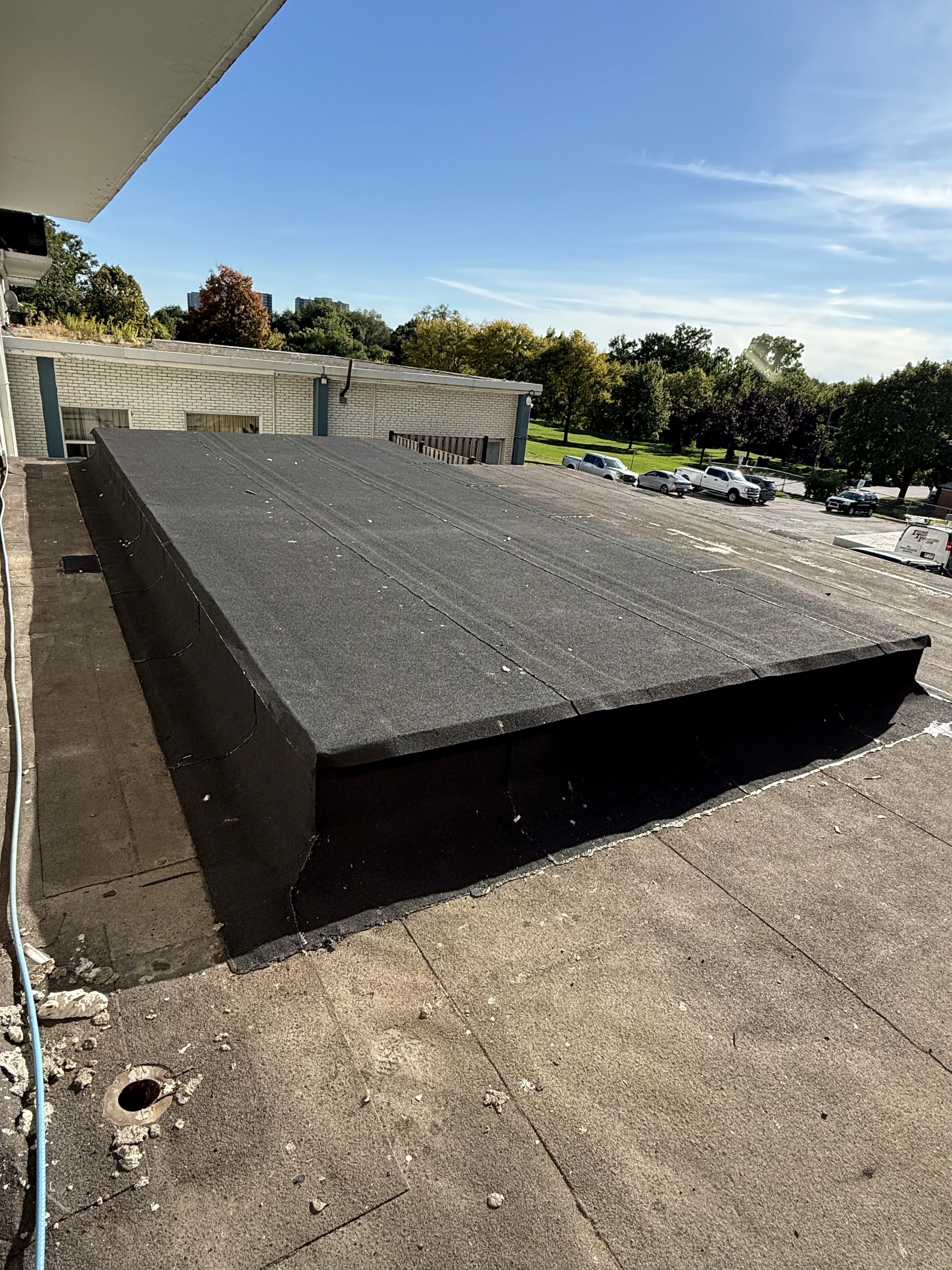
If you're scheduling a new roof project, plan around installation timeline and weather windows. Roof size, membrane type, and insulation needs affect how long we're on site. A small retail building might take three days while a large warehouse requires a full week. Tear-off of old roofing adds one to two days to the schedule.
Most work happens outside business hours if you need to avoid disrupting operations. We coordinate deliveries and noisy work for evenings or weekends when your building is closed. Weather delays happen when rain or high winds make membrane installation unsafe.
Toronto's short construction season runs from May through October and fills contractor schedules quickly. Book early for summer installs to secure your preferred dates. We can work into November if temperatures stay above 5°C, but cold weather slows adhesive curing. Emergency repairs happen year-round, but full installations need mild conditions for proper membrane bonding.
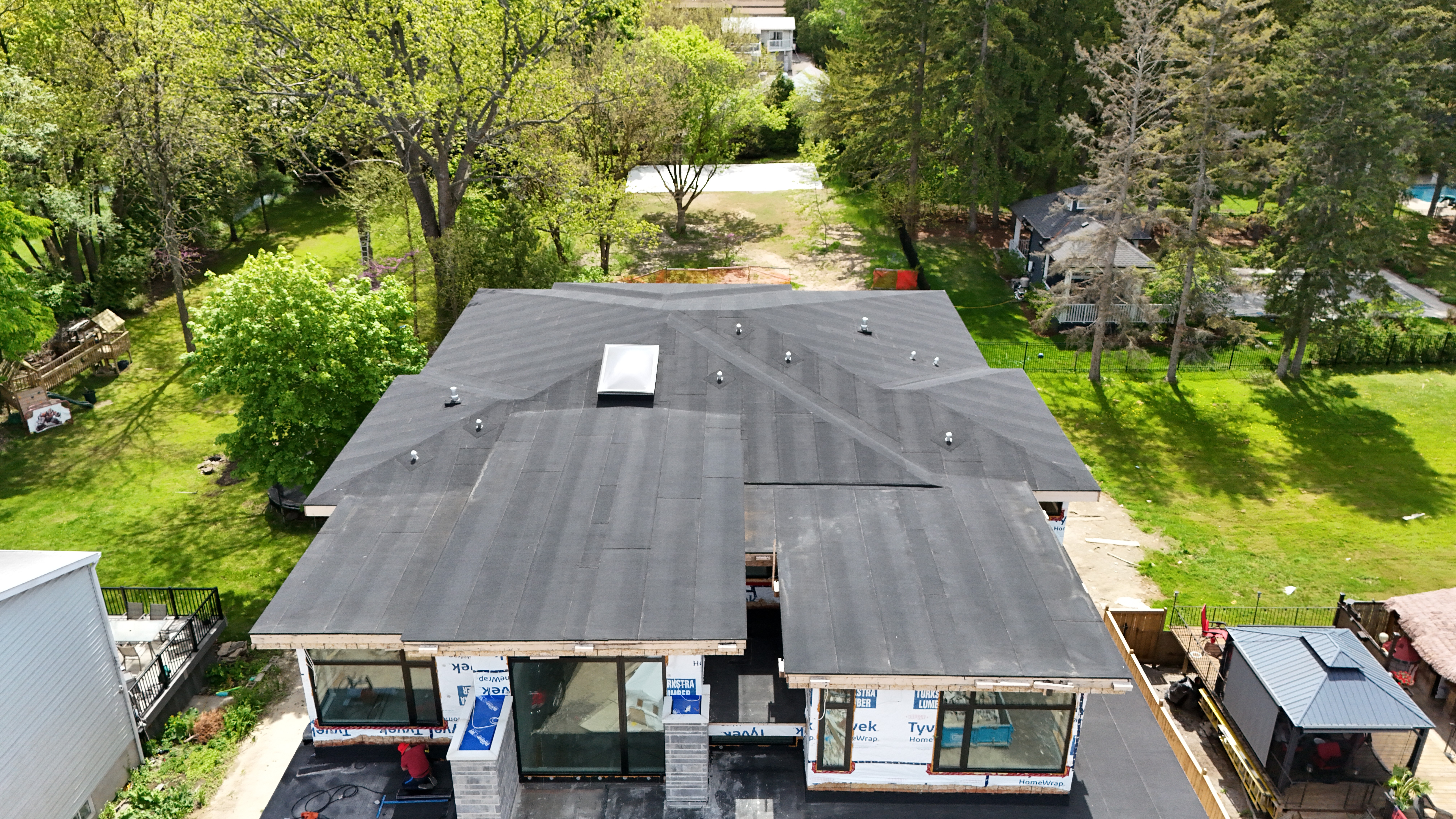
Regular Inspections Catch Small Membrane Cracks Before They Become Major Leaks
If you oversee multiple commercial buildings in Scarborough or downtown Toronto, twice-yearly inspections in spring and fall extend roof life by 5–10 years. We check seams, flashing, drains, and membrane surface for early signs of wear. Small cracks cost less to repair than emergency fixes after water damages your interior.
Freeze-thaw cycles stress Toronto flat roofs throughout winter. Water enters tiny cracks, freezes, and expands the opening. By spring, a hairline crack becomes a leak path. We catch these during post-winter inspections and seal them before the next storm.
Our inspector examines flashing around vents and HVAC units where most leaks start. We clear debris from drains and check that scuppers flow freely. You receive a written report with photos showing problem areas and repair recommendations. Preventive maintenance keeps your roof working properly between replacement cycles and protects your building investment.
Emergency Flat Roof Repairs Stop Water Damage in Commercial Buildings Fast
If you're facing active leaks damaging inventory, equipment, or tenant spaces, same-day or next-day temporary patches prevent water intrusion until we schedule permanent repair. Our emergency teams apply membrane patches, sealant, or tarps to stop immediate leaks. You protect your building contents while we order materials for the full fix.
Toronto roofing contractors offer 24/7 emergency response. Winter storms and ice buildup create urgent leak calls when ice dams force water under membranes or heavy snow collapses weak sections. We arrive quickly, assess the damage, and stop water from entering your building.
Emergency repairs buy you time but aren't permanent solutions. We return during business hours to complete proper repairs using heat-welded seams or fully bonded patches. You'll know exactly what caused the leak and what we're doing to prevent it from happening again. Fast response protects your property and keeps your business running.
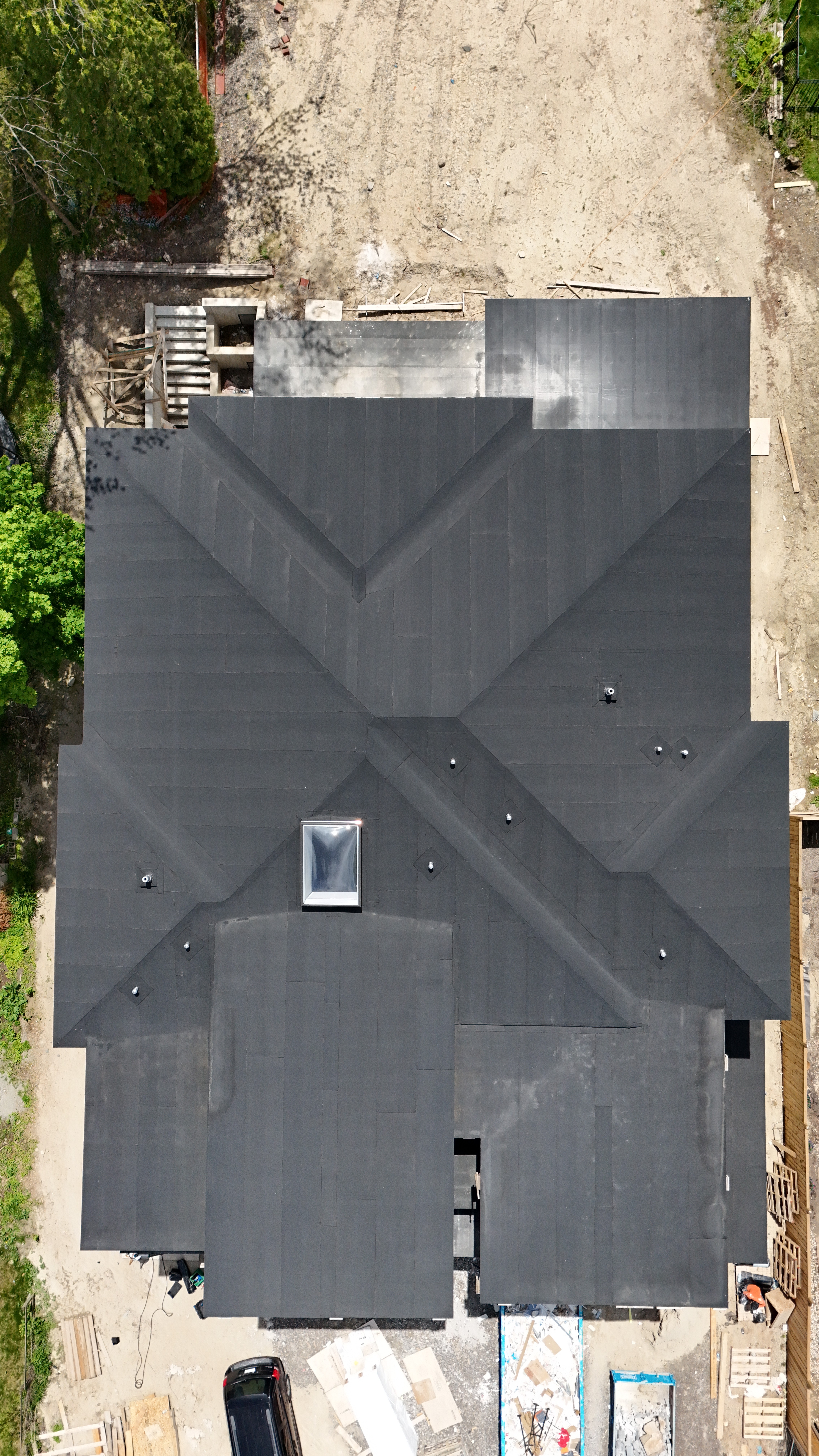
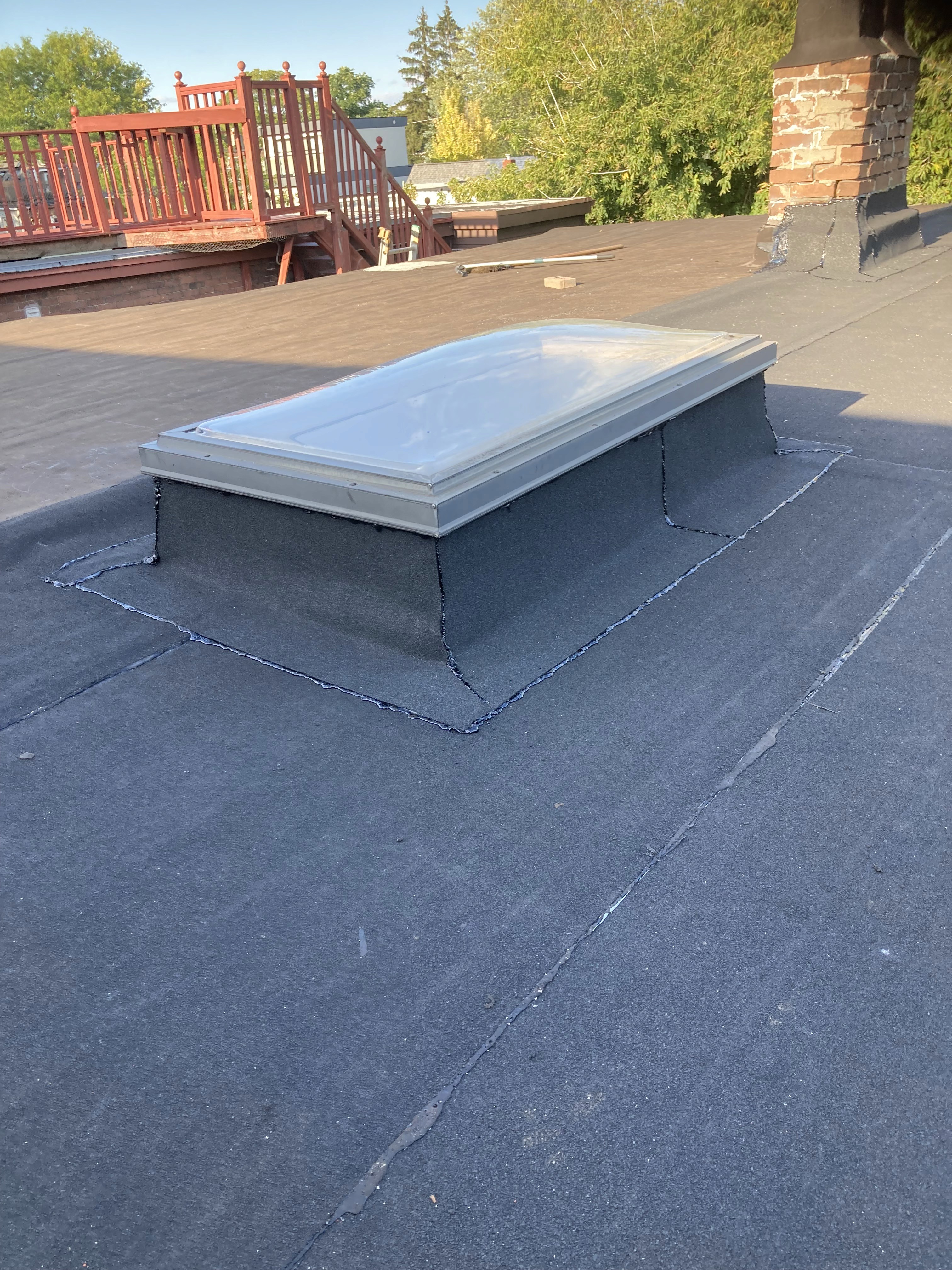
What is commercial flat roofing in Toronto and when do businesses need it?
Commercial flat roofing in Toronto involves installing or repairing low-slope roof systems on business properties using membranes like TPO, EPDM, or modified bitumen. These roofs require proper drainage design to handle heavy snow and spring runoff.
New construction or building additions need full flat roof installation
Roofs older than 15–20 years often require complete replacement
Ponding water, visible cracks, or interior leaks signal immediate repair needs
Answering your questions
FAQs
Got more questions? Send us your enquiry below
How many roof vents does a Toronto home need?
Most homes need one square foot of vent area per 300 square feet of attic space. A typical Toronto home with 1,200 square feet of attic requires four square feet of total vent area split between intake and exhaust. That usually means four to six vents depending on the size of each unit. We measure your attic during the free inspection and calculate exact requirements.
Can I install roof vents on a flat roof in Toronto?
Yes, we install low-profile mushroom vents or powered exhaust fans on flat roofs. Mushroom vents sit just above the roof surface and allow passive airflow. Powered fans use small motors to pull hot air out when attic temps climb. Flat roof ventilation works differently than sloped roofs but still removes heat and moisture from the space below your roof deck.
Do roof vents help lower cooling costs in summer?
Proper ventilation reduces attic heat by 20 to 30 degrees during Toronto summers. When your attic stays cooler, less heat radiates down into living spaces. Your air conditioner runs fewer cycles to maintain indoor temps. Most homeowners notice lower electricity bills in July and August after we upgrade their roof vents.
Will adding roof vents void my shingle warranty?
No, most asphalt shingle manufacturers require adequate ventilation to honor warranties. Poor ventilation causes premature shingle failure from heat damage. Adding vents protects your warranty coverage and extends shingle life. We provide documentation of vent installation that you can submit with any future warranty claims.
How soon can a contractor install roof vents in Toronto?
We schedule most vent installations within one to two weeks of your call. Emergency slots open up for homeowners dealing with leak-related vent failures or ice dam problems. Single-vent jobs often qualify for same-day or next-day service. Larger projects that involve multiple vents or ridge vent installation may need a few extra days for material delivery.
Do I need a permit for roof vent installation in Toronto?
Minor vent additions rarely require permits from the building department. Adding two to four box vents or one ridge vent falls under routine maintenance. Major re-venting during a complete roof replacement may need approval if you change the roof structure. We check permit requirements during your free inspection and handle applications when needed.